How to Keep Boys Jeans Looking New: Complete Care Guide
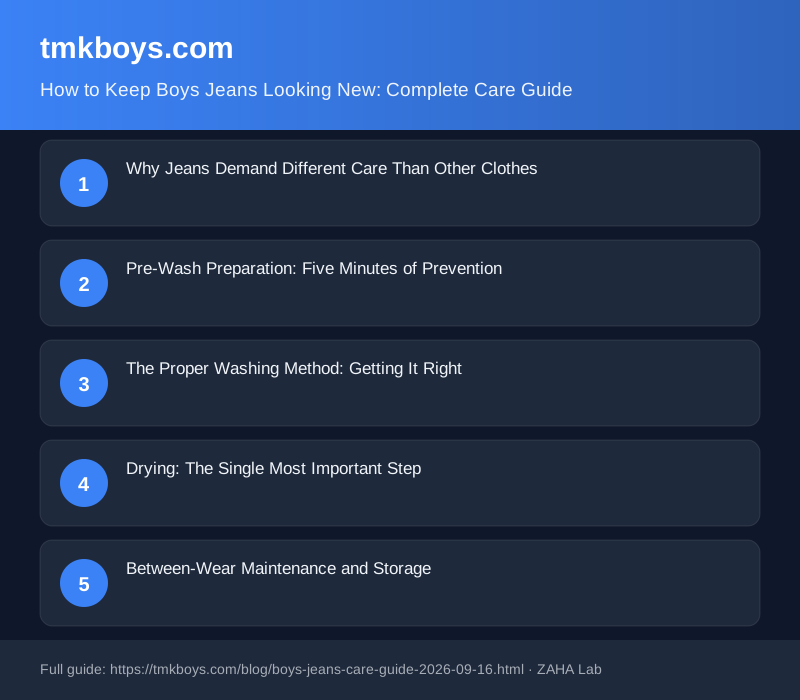
Most parents wash their kids' jeans the same way as all other clothes—but that's a huge mistake. Proper jeans care can literally double their lifespan and keep them looking crisp and colourful. Here's the formula: wash boys' jeans inside-out in cold water, skip the tumble dryer, and air-dry flat. Done consistently, a single pair outlasts three carelessly washed alternatives.
Kids' wardrobes take a beating. Between school runs, sports days, climbing frames, and inevitable mud puddles, their clothing needs to survive serious wear and tear. Jeans are usually the hardest-working garment—and ironically, the most expensive to replace. A decent pair costs £30–70, yet many parents unknowingly destroy them within two or three months through washing habits learned from their own parents.
The good news? Jeans care isn't complicated, and the payoff is enormous. Better-looking clothes mean kids feel more confident. Longer-lasting garments mean less waste and fewer shopping trips. And once you master the technique, it takes no extra effort—just a small shift in how you approach wash day.
Why Jeans Demand Different Care Than Other Clothes
Denim is fundamentally different from cotton t-shirts, school uniforms, or casual wear. It's constructed from heavyweight twill fabric, traditionally dyed with indigo using a process that colours the outer layers intensely while the core remains lighter. This is why new jeans are so vibrantly blue and why they gradually fade to grey or light blue with use—the surface indigo is vulnerable.
Traditional washing methods—hot water, standard detergent, and the tumble dryer—aggressively attack that colour. Hot water opens the fabric's dye sites, allowing colour to bleed out. Heavy detergents break down the indigo molecules. And the dryer's heat and tumbling friction physically wear away the outer fibres. After a handful of washes using these methods, you'll notice the knees looking threadbare, the seams loosening, and the once-rich blue fading to pale slate grey.
But here's the thing: kids grow fast. If you can keep jeans looking fresh and fitting properly for six to nine months instead of three, you've saved money and significantly reduced household waste. Plus, children genuinely prefer wearing clothes that look good and fit well—they'll actually reach for jeans that still look sharp rather than pushing them to the back of the drawer.
Pre-Wash Preparation: Five Minutes of Prevention
Before jeans touch water, take five minutes to prepare them properly.
Empty all pockets. Kids stuff everything into denim pockets: small toys, biscuit crumbs, gravel, leaves, the lot. Empty them thoroughly and turn pockets inside-out to ensure nothing's hiding in the corners. Small debris left in pockets can become embedded in the fabric during washing and weaken fibres.
Inspect for damage. Look for small tears, loose seams, broken zips, or missing buttons. Catching these early is crucial—a loose seam or tiny rip is easy to stitch now but can split completely in the washing machine. Spend two minutes with a needle and thread and save the jeans entirely.
Fasten everything securely. Zip the jeans fully, fasten any buttons or snaps, and fold the hem inside if it has a raw edge. This prevents the zip from snagging on other garments and maintains the garment's shape throughout the wash cycle.
Turn inside-out. This step is non-negotiable. Do it now, before the jeans go into the machine. Turning them inside-out protects the outer surface—where the colour matters most—from friction with the drum and other garments. The inner seams and hidden surfaces still get thoroughly cleaned, but the vibrant blue exterior stays protected.
The Proper Washing Method: Getting It Right
Temperature is critical. Always use cold water—and we mean genuinely cold, below 20°C. Hot water opens the dye sites in the fabric, allowing indigo to leach out into the wash water. You'll see the water turn visibly blue on first washes; hot water makes this ten times worse. Cold water cleans effectively without compromising colour or fibre integrity.
Choose the right detergent. Forget standard laundry powder or the heavy-duty liquid you use for school uniforms and sports kit. These are too harsh for denim. Instead, use a gentle, mild detergent specifically formulated for delicates or darks. Liquid detergents work better than powder in cold water because they dissolve more readily. Most importantly, use only half the recommended amount—jeans don't require much detergent, and excess soap can leave residue that makes them stiff or dull.
Wash separately initially. On the first few washes, wash jeans alone. New denim can bleed indigo dye; placing them with white socks or a light school shirt means those items will pick up blue staining that's nearly impossible to remove. After four to six washes, the dye stabilises and you can safely wash jeans with other dark items, but err on the side of caution for new pairs.
Select the gentle cycle. Use a gentle or delicate wash cycle set to 30–40°C. Avoid anything labelled "heavy-duty" or "normal"—the drum speed and wash duration are too aggressive. A gentle cycle protects the fabric weave and seams. Similarly, choose a reduced spin cycle to minimise stress on seams and reduce wrinkles before drying.
Drying: The Single Most Important Step
This is where most people fail. The tumble dryer is jeans' mortal enemy, and understanding why will make you never use it on denim again.
High heat does three harmful things simultaneously. First, it permanently shrinks the fabric—denim is already prone to slight shrinkage, and heat accelerates this. Second, it weakens the fibres themselves, causing premature breakdown and brittleness. Third, and most importantly, it destroys the elastane content in modern children's jeans. Most quality boys' jeans contain 2–5% elastane (also called Spandex or Lycra) for comfort and stretch. Tumble-dryer heat degrades elastane irreversibly; a few cycles in the dryer and the jeans will feel stiff and lose their shape permanently.
Air-dry every time. Hang jeans on a clothes rail, over a door frame, or on a sturdy hanger, ideally inside-out so the inner seams dry first. They'll take 24–36 hours to dry completely under normal indoor conditions. Yes, it requires planning, but it's genuinely the only way to preserve the garment. If you're in a rush, you can line-dry them outside—weather permitting—but keep them out of direct, intense sunlight for the first few hours, as UV exposure can fade denim.
Remove promptly once dry. Once fully dry, take the jeans off the rail immediately. Leaving them bunched or folded while still slightly damp encourages stubborn creases and can trap moisture, leading to mustiness or mildew. Hang until completely bone-dry, then fold neatly for storage.
Between-Wear Maintenance and Storage
Jeans don't need washing after every single wear, and avoiding unnecessary washes is another key to longevity. Between wears, hang jeans over a chair or rail to air and refresh. Store them flat or neatly folded in a drawer or shelf away from direct sunlight, which can cause fading over time.
If you spot a small stain—mud, grass, or a food splash—resist the urge to wash the entire pair. Instead, dampen a soft cloth with cold water and a tiny amount of mild detergent, gently rub the stain, and air-dry the spot. This keeps the jeans fresher without subjecting the whole garment to a full wash cycle.
If jeans smell a bit off but aren't visibly soiled—common after a week of school—simply hang them outside in fresh air and sunlight for a few hours. Sunlight is a natural deodoriser and disinfectant; you'll be amazed how effective this is. No washing required.
Start with Quality, Maintain with Care
The best jeans-care foundation is choosing well-made pairs from the start. Look for reinforced seams at stress points—the crotch, knee area, and pocket corners. Double stitching is a sign that the manufacturer expects the jeans to endure hard wear. A slight elastane content (2–5%) adds comfort and stretch without compromising durability. Quality boys' jeans from reputable brands often feature these construction details and will outlast budget alternatives by 40–50% with proper care.
Fit also matters. Jeans that are too tight create stress on seams and fabric; too loose means kids won't wear them regularly. Proper fit reduces unnecessary wear and tear and ensures the jeans stay in rotation.
FAQ
How often should I wash boys' jeans?
Wash every 5–7 wears if they're visibly dirty, or once weekly if your child just wears them around school. Overwashing fades colour faster, but hygiene matters—find the balance based on your child's activities and personal preference.
Is fabric softener OK for jeans?
No. Fabric softener coats the fibres with a waxy residue that reduces durability, breathability, and colour vibrancy. Skip it entirely; cold water and air-drying are sufficient to keep jeans soft.
My jeans have shrunk. Can I fix it?
If they've already shrunk, gently stretch them while damp and air-dry in the stretched position—it helps slightly but won't reverse significant shrinkage. Going forward, air-dry all jeans to prevent further shrinkage; consider pre-shrinking new pairs by one cold wash before first wear.
Are expensive jeans worth buying for kids?
Yes, generally. Premium jeans (£45–75) from established brands typically last 40–50% longer than budget pairs, hold their colour better, and maintain their shape through dozens of wears. Combined with proper care, they're excellent value—especially if your child has younger siblings who can inherit them.
Can I wash jeans with school uniform items?
Be cautious with light-coloured uniform pieces initially. New denim bleeds indigo, and white or pale yellow shirts will pick up blue staining. After 4–6 washes, jeans are safer. If your child's uniform is dark-coloured, you can mix them sooner—just check for staining after the first wash together.